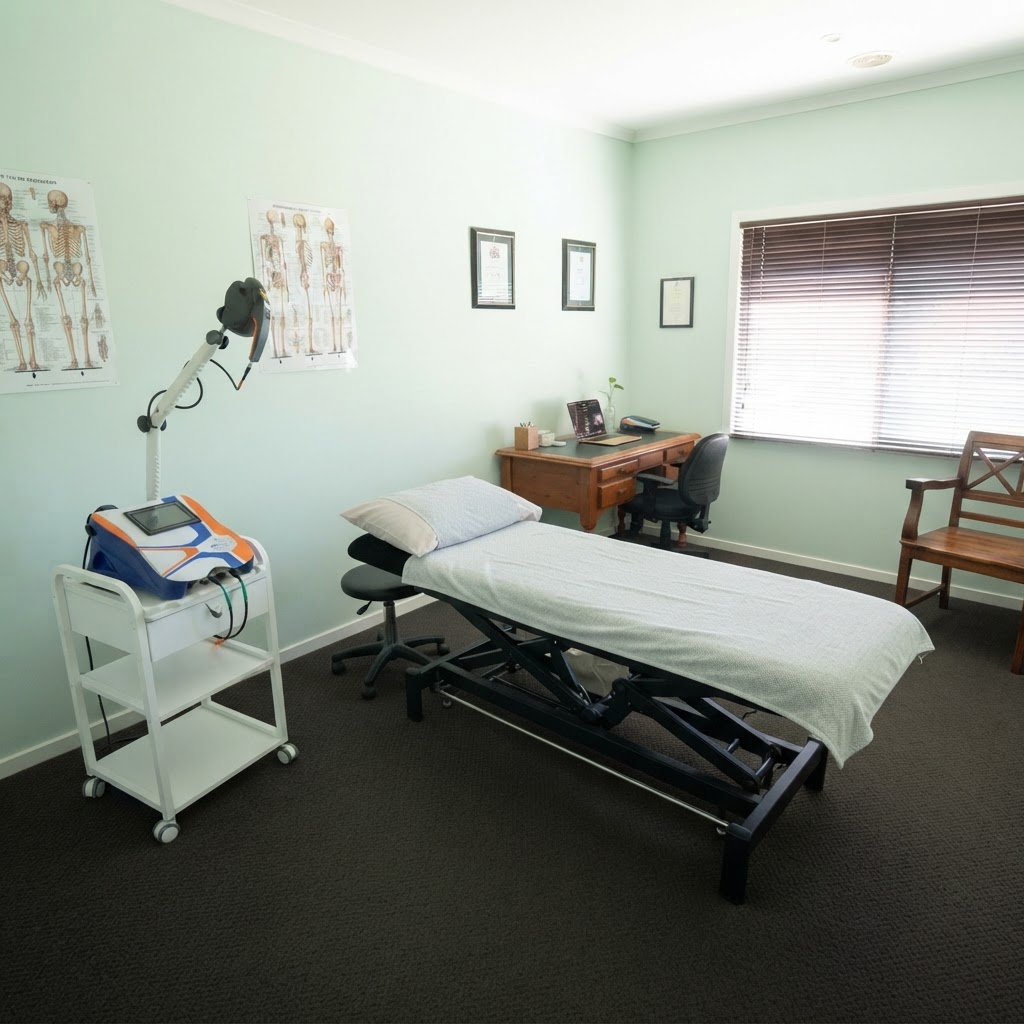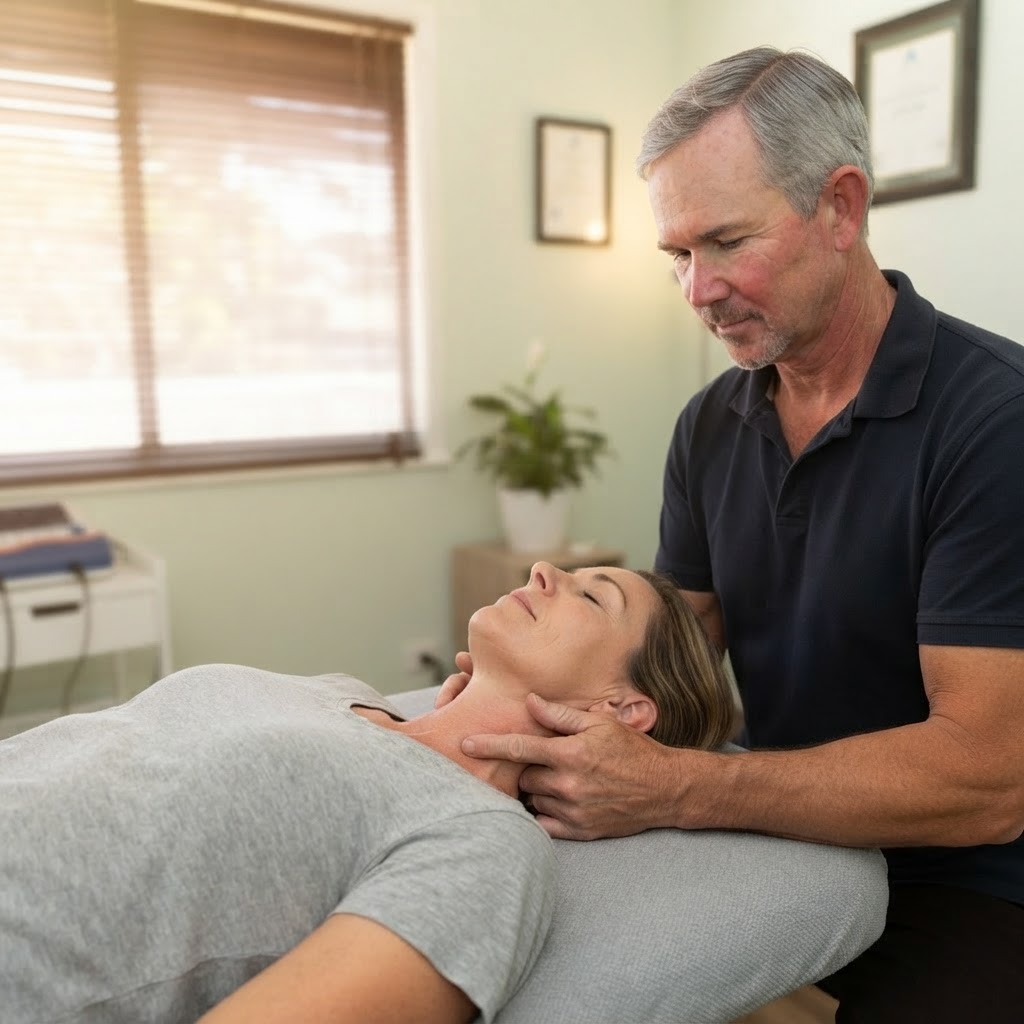
Jaw pain can make eating, talking, or even yawning painful. At Northside Osteopathy in Aspley, we treat TMJ dysfunction (temporomandibular joint disorder) using gentle, evidence-based techniques to restore joint movement, ease muscle tension, and relieve associated headaches or facial pain.
Understanding TMJ Dysfunction
Your temporomandibular joints connect your jaw to your skull and are involved in nearly every movement of the mouth. When these joints become tight, misaligned, or irritated, they can cause a range of uncomfortable symptoms. TMJ dysfunction often results from stress, jaw clenching, poor posture, or previous dental or facial trauma.
- Clicking or locking when opening the mouth
- Pain around the jaw, temples, or ears
- Headaches and facial tension
- Difficulty chewing or talking
- Neck and shoulder tightness
How Osteopathy Can Help
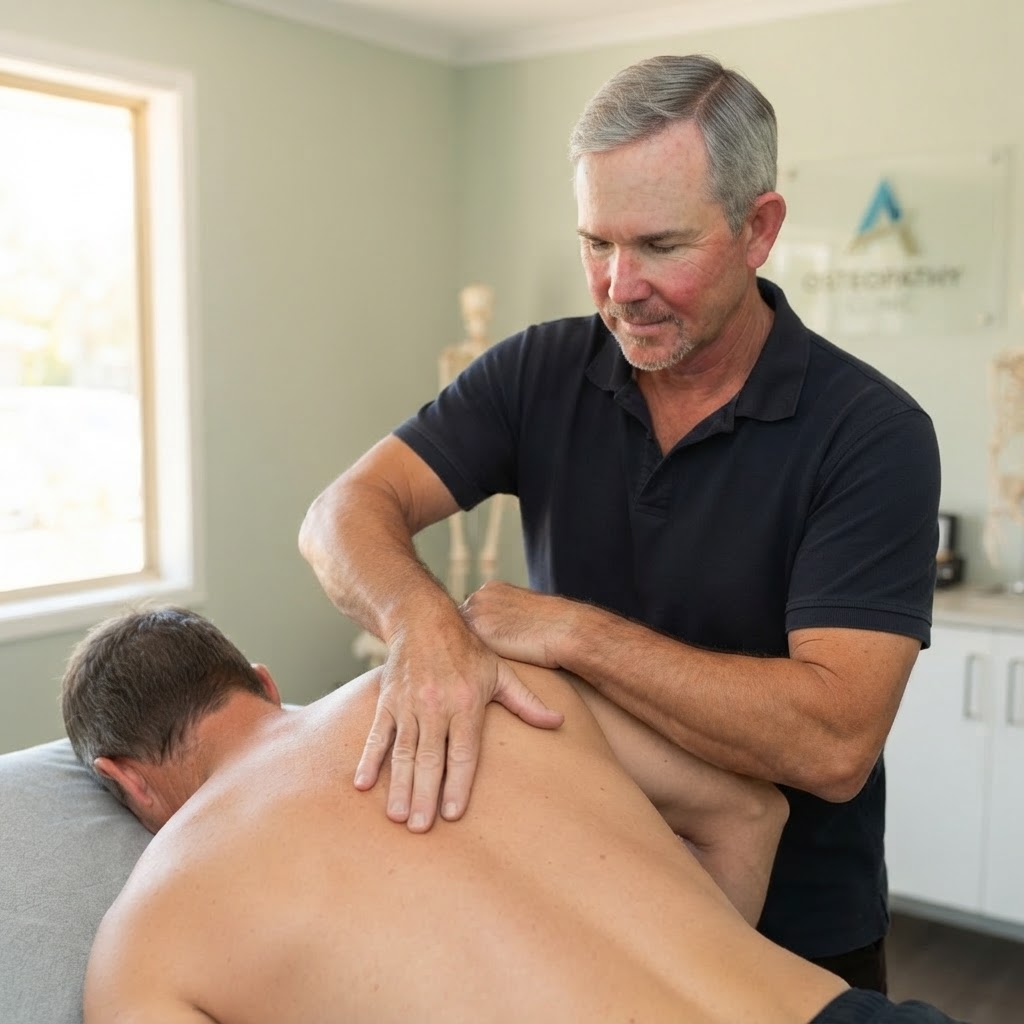
Osteopathy helps restore smooth, pain-free jaw movement by improving the alignment and function of surrounding muscles, joints, and nerves. By balancing the structures that support the jaw, osteopathy can relieve pain and reduce future flare-ups.
- Gentle jaw and neck mobilisation
- Soft tissue massage around the face, head, and neck
- Intra-oral (inside the mouth) techniques when appropriate
- Postural assessment and correction
- Breathing and relaxation guidance to reduce clenching
Advanced Therapies for TMJ and Jaw Pain
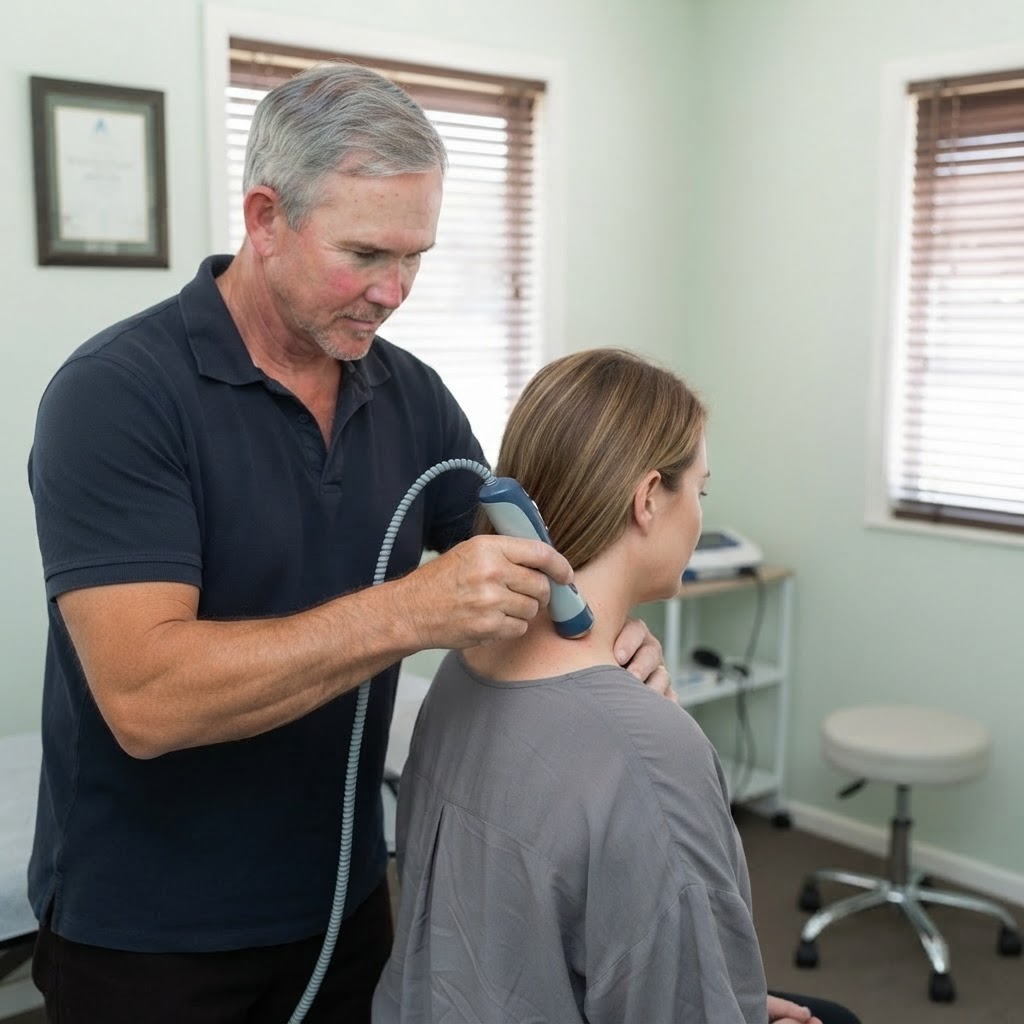
At Northside Osteopathy, we combine hands-on techniques with advanced modalities to achieve faster, more lasting relief. These therapies work synergistically with osteopathy to relieve stubborn or long-term TMJ pain.
- Dry Needling and Medical Acupuncture: releases trigger points in the jaw and neck muscles to reduce tightness and nerve irritation.
- MLS Laser Therapy: decreases inflammation and supports soft-tissue healing around the TMJ.
- Radial Shockwave Therapy (RSW): promotes blood flow and tissue repair in chronic jaw or neck tension.
Common Causes of Jaw Pain
Identifying the cause is key to creating an effective, lasting treatment plan. TMJ issues may develop due to:
- Teeth grinding or clenching (bruxism)
- Stress or anxiety
- Poor posture, especially forward head carriage
- Dental or orthodontic work
- Neck or shoulder tension
- Impact or trauma to the jaw
What to Expect
Your first session includes:
A thorough discussion of your symptoms, dental history, and stress levels.
Assessment of jaw movement, bite alignment, and neck mobility.
Gentle osteopathic techniques and advanced therapies where appropriate.
Personalised advice on posture, stretching, and self-care to prevent future flare-ups.
Frequently Asked Questions