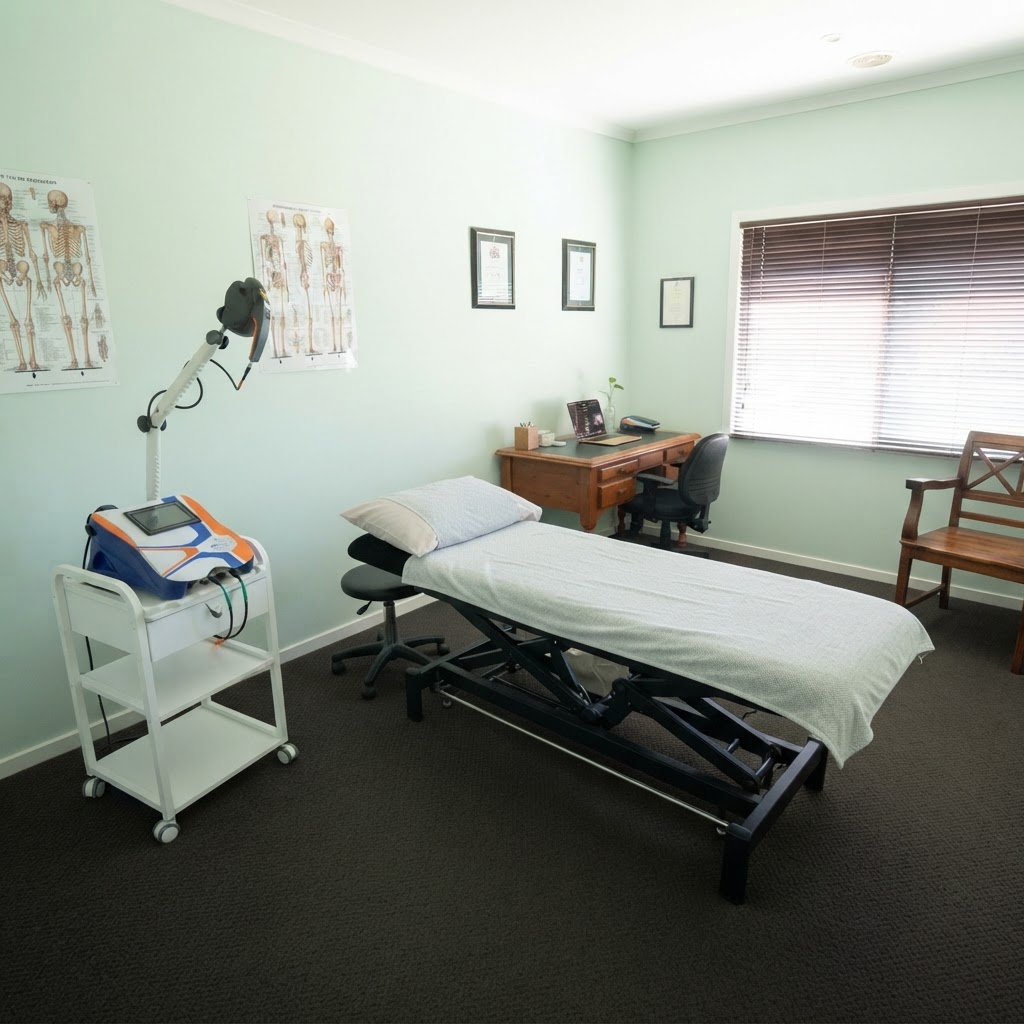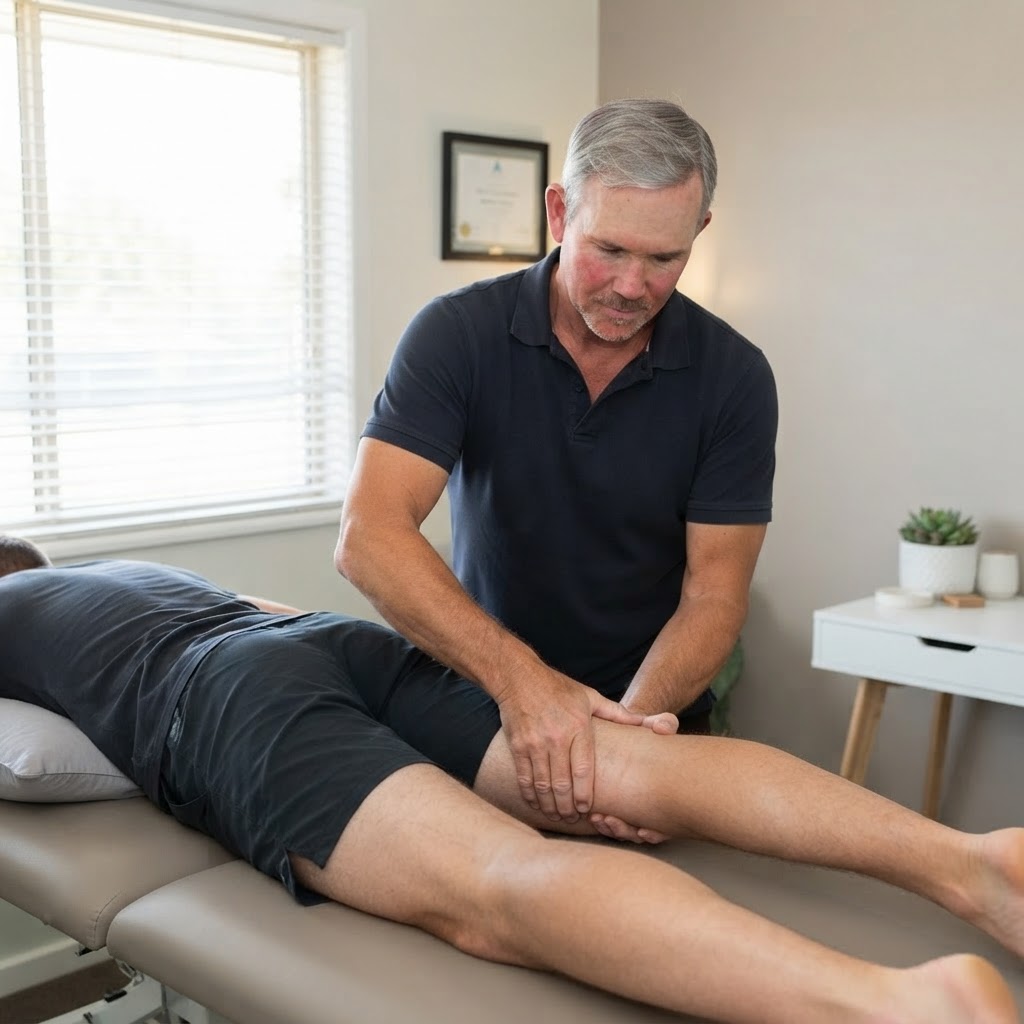
Whether you're a weekend runner, gym enthusiast, or competitive athlete, injuries can slow you down. At Northside Osteopathy in Aspley, we combine hands-on treatment, movement rehabilitation, and advanced technology to help you recover quickly and return to doing what you love.
Understanding Sports Injuries
Sports injuries often occur when the body is pushed beyond its limits or when repetitive strain builds over time. An osteopathic approach looks beyond the injury site to address underlying imbalances, posture, and movement patterns. Common examples include:
- Muscle strains and joint sprains
- Tendon pain and overuse injuries
- Shin splints and plantar fasciitis
- Shoulder, hip, and knee pain
- Back or neck tension from training load
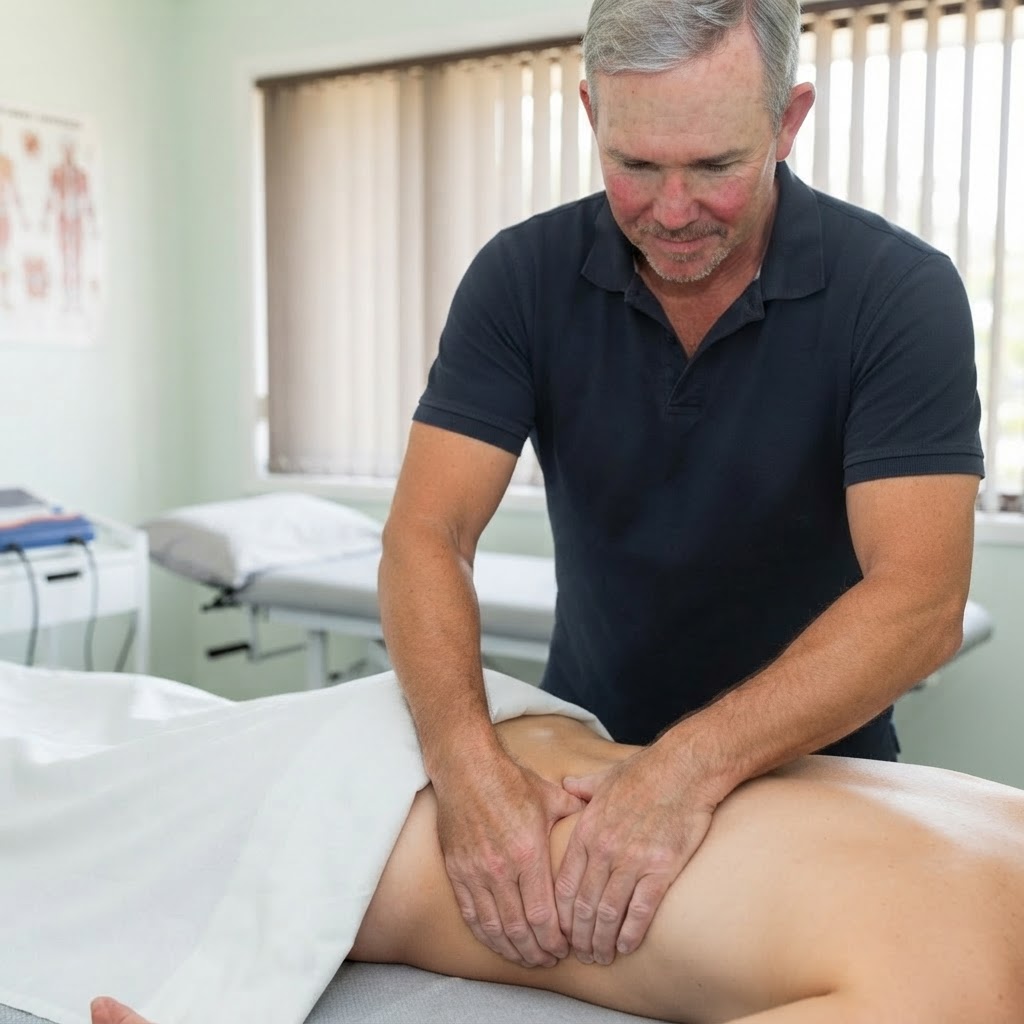
How Osteopathy Supports Recovery and Performance
Osteopathy helps restore mobility, balance, and joint function so the body can perform efficiently and heal faster. Treatment may include:
- Soft tissue massage to release muscle tightness
- Joint mobilisation and stretching to restore movement
- Muscle Energy Techniques (MET) to rebalance strength
- Exercise prescription to build resilience and flexibility
- Postural and biomechanical advice to prevent recurrence
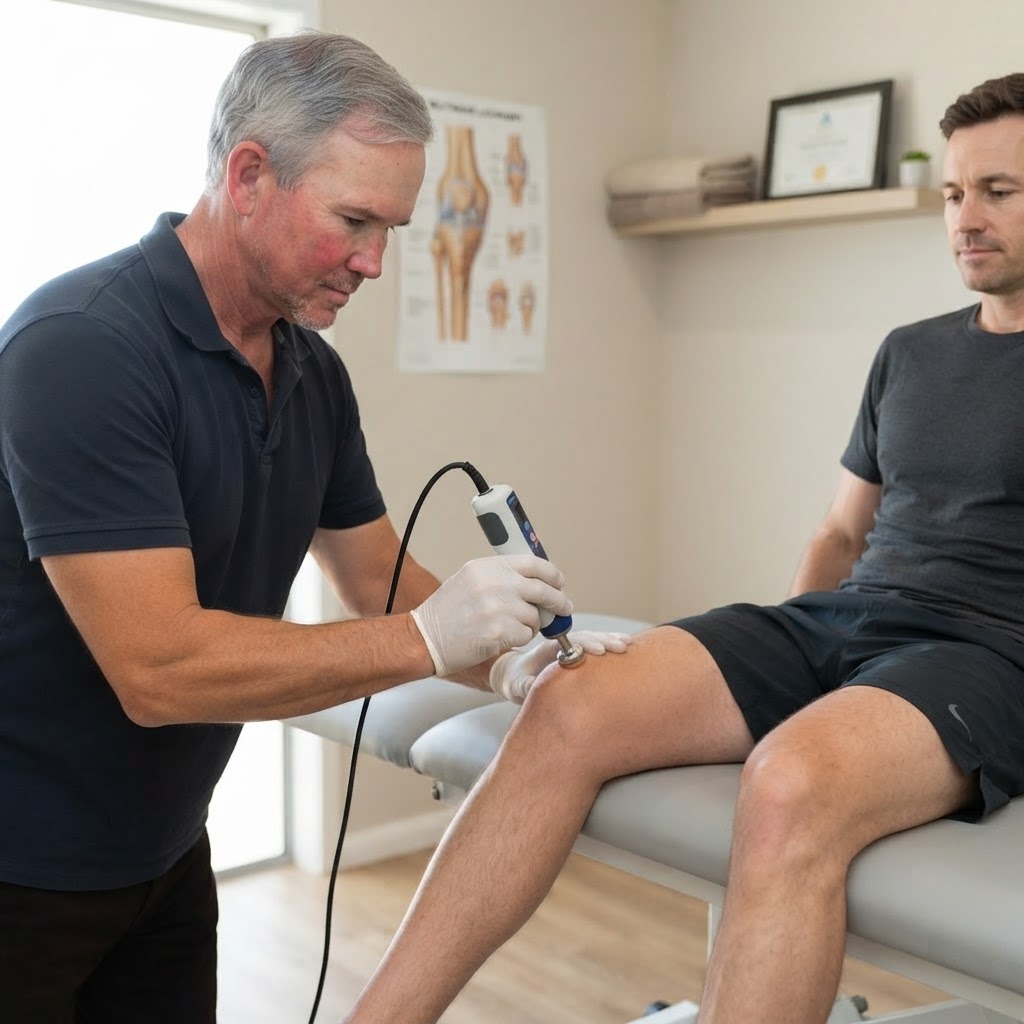
Advanced Therapies for Athletes
We use evidence-based technologies to accelerate healing and manage chronic injuries:
- Radial Shockwave Therapy (RSW): stimulates tissue repair for stubborn tendon or muscle injuries.
- MLS Laser Therapy: reduces inflammation and promotes faster recovery at the cellular level.
- Dry Needling: releases deep muscle tension and improves circulation in overworked areas.
Performance Optimisation
Osteopathy isn't just for injury recovery — it's also for performance. Regular care can:
- Improve flexibility and joint range
- Support muscle coordination and power
- Reduce fatigue and improve recovery time
- Enhance posture and movement efficiency
- Lower the risk of future injuries
What to Expect
Your first session includes:
A full discussion about your sport, training load, and injury history.
A biomechanical and movement assessment.
A clear diagnosis and treatment plan.
Hands-on therapy and tailored exercise advice.
Frequently Asked Questions